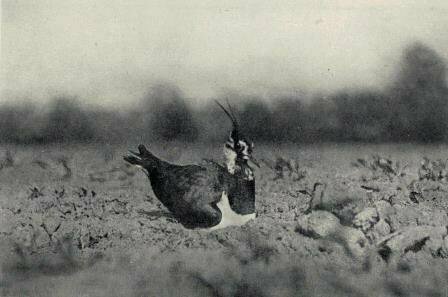
Northern Lapwing
The northern lapwing (Vanellus vanellus), also known as the peewit or pewit, tuit or tewit, green plover, or (in Ireland and Great Britain) pyewipe or just lapwing, is a bird in the lapwing subfamily. It is common through temperate Eurosiberia.
In Türkiye
Recorded in Türkiye throughout the year.
Most records in October–February.
Provinces where it makes up the largest share of bird records.
Adjusted for how many birdwatchers are out each month; the busiest month = 100%.
11,096 records from Türkiye · #95 of 634 species by number of records. Source: GBIF.org (October 2026). All birds of Türkiye
About
The northern lapwing was formally described by the Swedish naturalist Carl Linnaeus in 1758 in the tenth edition of his Systema Naturae under the binomial name Tringa vanellus. The species is now placed with the other lapwings in the genus Vanellus that was introduced by the French zoologist Mathurin Jacques Brisson in 1760. The scientific name Vanellus is Medieval Latin for the northern lapwing and derives from vannus, a winnowing fan. The species is monotypic: no subspecies are recognised.
The name lapwing has been variously attributed to the "lapping" sound its wings make in flight, to its irregular flight path due to its large wings (the Oxford English Dictionary derives this from an Old English word meaning "to totter"), or from its habit of drawing potential predators away from its nest by trailing a wing as if it were broken.
Text from Wikipedia (CC BY-SA 4.0)
At a glance
The lapwing performs a 'broken-wing' display, dragging a wing to lure predators away from its nest.
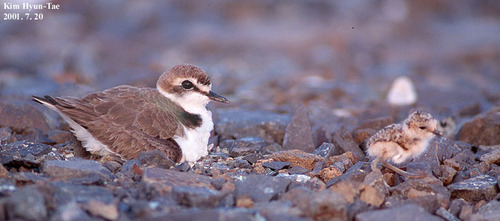
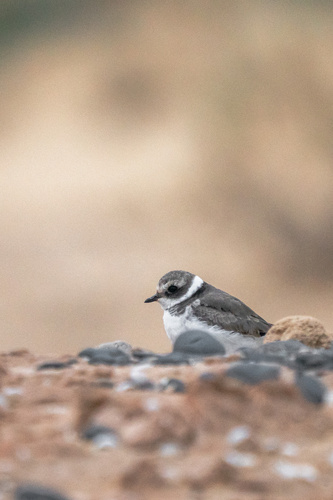
Similar birds
All birds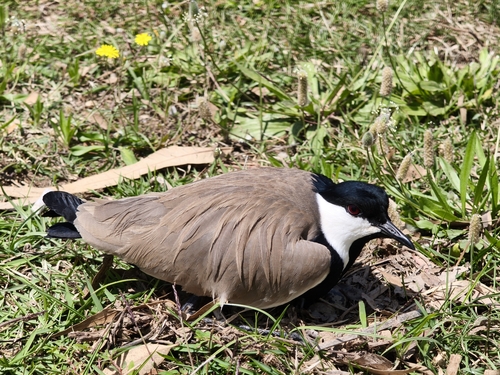
Heard this one in the wild?
Record it and Birdy will confirm — then it's in your journal.