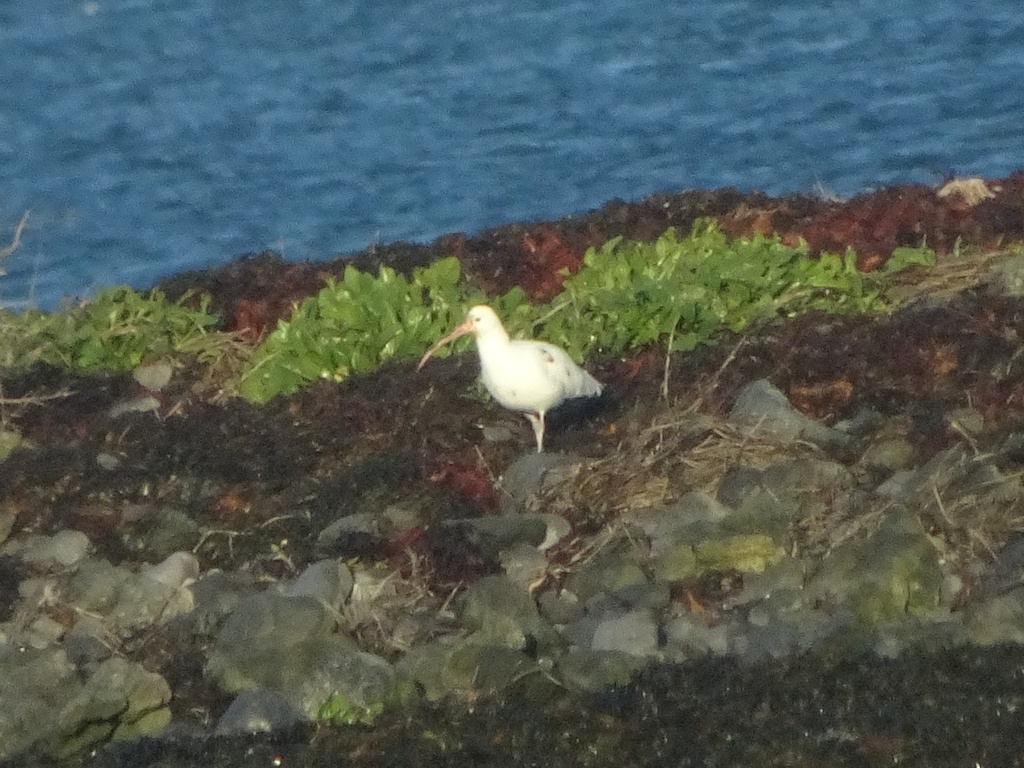
Eurasian Curlew
The Eurasian curlew or common curlew (Numenius arquata) is a very large wader in the family Scolopacidae. It is one of the most widespread of the curlews, breeding across temperate Europe and Asia. In Europe, this species is often referred to just as the "curlew", and in Scotland known as the "whaup" in Scots.
In Türkiye
Arrives in autumn and leaves in spring; summer records are almost absent.
Most records in January–February.
Provinces where it makes up the largest share of bird records.
Adjusted for how many birdwatchers are out each month; the busiest month = 100%.
5,298 records from Türkiye · #166 of 634 species by number of records. Source: GBIF.org (October 2026). All birds of Türkiye
About
The Eurasian curlew was formally described by the Swedish naturalist Carl Linnaeus in 1758 in the tenth edition of his Systema Naturae under the binomial name Scolopax arquata. It is now placed with eight other curlews in the genus Numenius that was introduced by the French ornithologist Mathurin Jacques Brisson in 1760. The genus name Numenius is from Ancient Greek νουμήνιος, noumēnios, a bird mentioned by Hesychius. It is associated with the curlew because it appears to be derived from neos, "new" and mene "moon", referring to the crescent-shaped bill. The species name arquata is the Medieval Latin name for this bird, derived from Latin arcuatus, "bow-shaped", and again referring to the shape of the bill.
Text from Wikipedia (CC BY-SA 4.0)
At a glance
The curlew is Europe's largest wader, known for its long down-curved bill and haunting 'cur-lee' call.
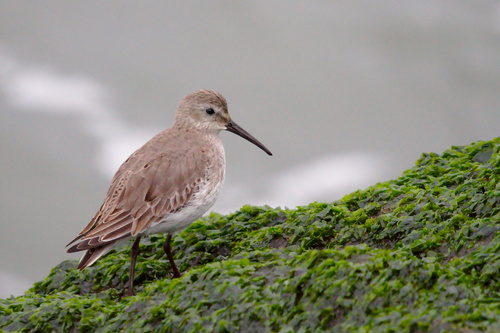
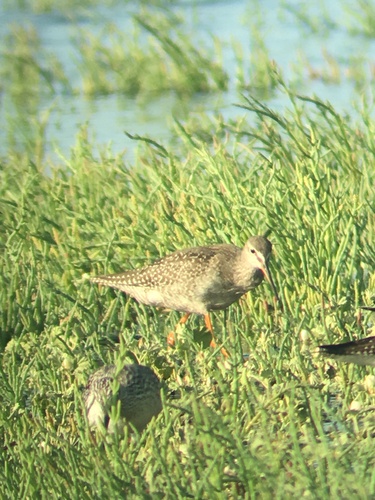
Similar birds
All birds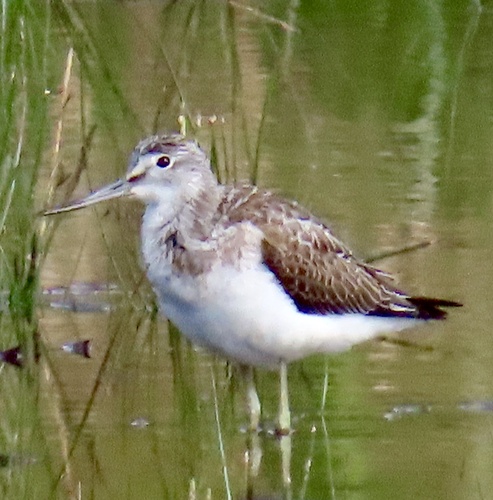
Heard this one in the wild?
Record it and Birdy will confirm — then it's in your journal.