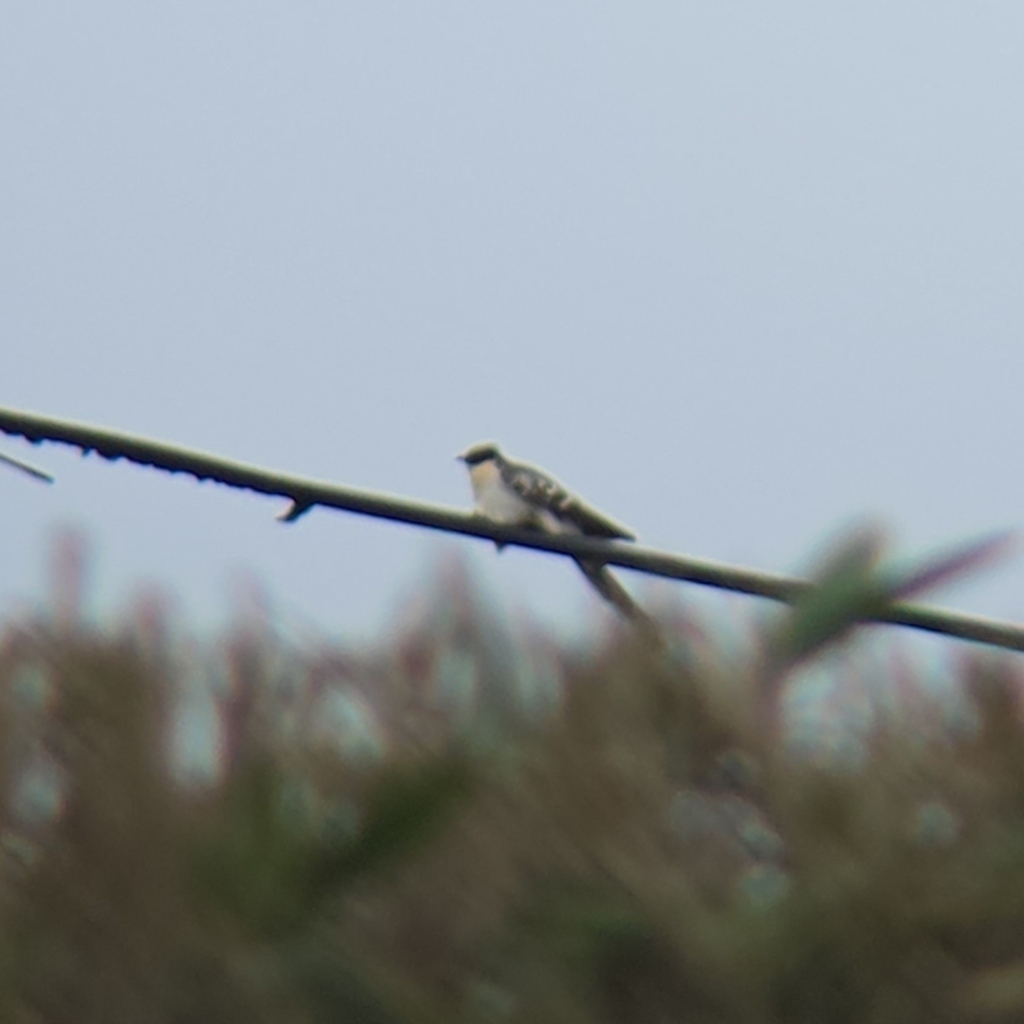
Great Spotted Cuckoo
The great spotted cuckoo (Clamator glandarius) is a member of the cuckoo order of birds, the Cuculiformes, which also includes the roadrunners, the anis and the coucals.
In Türkiye
Arrives in spring and leaves in autumn; winter records are almost absent.
Most records in April.
Provinces where it makes up the largest share of bird records.
Adjusted for how many birdwatchers are out each month; the busiest month = 100%.
1,117 records from Türkiye · #297 of 634 species by number of records. Source: GBIF.org (October 2026). All birds of Türkiye
About
It is widely spread throughout Africa and the Mediterranean Basin. It is a brood parasite that lays its eggs in the nests of corvids, in particular the Eurasian magpie.
In 1747 the English naturalist George Edwards included an illustration and a description of the great spotted cuckoo in the second volume of his A Natural History of Uncommon Birds. He used the English name "The Great Spotted Cuckow". Edwards based his hand-coloured etching on a specimen that had been shot in Gibraltar and sent to the English naturalist Mark Catesby in London. When in 1758 the Swedish naturalist Carl Linnaeus updated his Systema Naturae for the tenth edition, he placed the great spotted cuckoo with the other cuckoos in the genus Cuculus. Linnaeus included a brief description, coined the binomial name Cuculus glandarius and cited Edwards's work. The great spotted cuckoo is now placed in the genus Clamator that was introduced by German naturalist Johann Jakob Kaup in 1829.
Text from Wikipedia (CC BY-SA 4.0)
At a glance
The great spotted cuckoo is also a brood parasite but usually targets magpie nests, and its chick is raised alongside the host's young rather than killing them.
Similar birds
All birds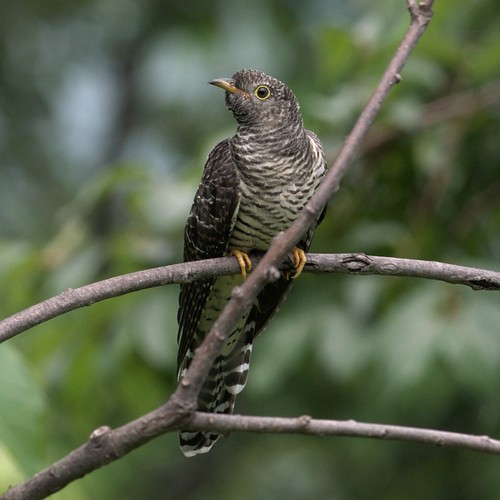
Heard this one in the wild?
Record it and Birdy will confirm — then it's in your journal.